

Follow Elliott Nursing and Rehabilitation on Facebook! Click Here

To see a list of frequently asked questions please Click Here

Elliott | Nursing & Rehabilitation

Latest News

Latest News

Osteoarthritis

July 13, 2026

Osteoarthritis is the most common form of arthritis among older adults. It is also one of the most common causes of physical disability among adults.

Osteoarthritis is a degenerative joint disease that happens when the tissues that cushion the ends of the bones within the joints break down over time. These changes usually develop slowly and worsen gradually, causing pain, stiffness, and swelling. In some cases, people living with this disease are no longer able to work or perform daily tasks.

There is no way to reverse osteoarthritis, but the symptoms of osteoarthritis can usually be managed with lifestyle changes and medications.

Who is at risk for osteoarthritis?

Anyone can get osteoarthritis, but it is more common as people age. Women are more likely than men to have osteoarthritis, especially after age 50. Other factors that may make it more likely to develop osteoarthritis include:

  • Overweight or obesity
  • History of injury or surgery to a joint
  • Overuse from repetitive movements of the joint
  • Joints that do not form correctly
  • Family history of osteoarthritis

Each of these risk factors can cause tissues within the joints to break down and lead to osteoarthritis. You can decrease your chances of developing osteoarthritis by changing the risk factors you can control.

Symptoms of osteoarthritis

Osteoarthritis symptoms range from stiffness and mild pain to persistent, severe joint pain. Common signs include swelling and tenderness, stiffness after getting out of bed, and a crunching feeling or sound of bone rubbing on bone. However, not everyone with osteoarthritis feels pain.

Osteoarthritis most commonly affects the hands, lower back, neck, and weight-bearing joints such as knees, hips, and feet. Osteoarthritis in any of these joints can lead to physical disability.

Hands. Osteoarthritis of the hands seems to run in families. If you have family members who have had osteoarthritis in their hands, you’re at greater-than-average risk of having it, too. Women are more likely than men to have osteoarthritis in the hands. For most women, it develops after menopause. When osteoarthritis involves the hands, small, bony knobs may appear on the end and middle joints (those closest to the nails) of the fingers. Fingers can become enlarged and gnarled, and they may ache or be stiff and numb. The base of the thumb joint also is commonly affected by osteoarthritis.

Knees. The knees are among the joints most commonly affected by osteoarthritis. Symptoms of knee osteoarthritis include stiffness, swelling, and pain, which make it hard to walk, climb, and get in and out of chairs and bathtubs. You may hear a grinding or scraping noise when walking or moving. Over time, the knee may start to buckle.

Hips. The hips are also a common site for osteoarthritis. As with knee osteoarthritis, symptoms of hip osteoarthritis include pain and stiffness of the joint. But sometimes pain is felt in the groin, inner thigh, buttocks, or knees. Osteoarthritis of the hip may limit the ability to move and bend, making daily activities such as dressing and putting on shoes a challenge.

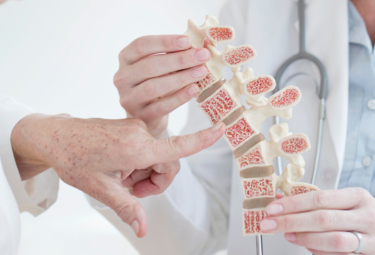
Spine. Osteoarthritis of the spine may show up as stiffness and pain in the neck or lower back. In some cases, arthritis-related changes in the spine can cause pressure on the nerves where they exit the spinal column, resulting in weakness, tingling, or numbness of the arms and legs. In severe cases, these changes can even affect bladder and bowel function.

Regardless of how osteoarthritis affects an individual, over time, their daily activities may become difficult, such as going up stairs, getting on or off the toilet or in and out of a chair, gripping a pen, or walking across a parking lot. Pain and other symptoms of osteoarthritis may lead a person to feel depressed, get tired easily, or have trouble sleeping. Fortunately, there are treatments to help manage the symptoms.

How is osteoarthritis diagnosed?

To make a diagnosis of osteoarthritis, most health care providers use a combination of methods and tests. Your doctor may:

  • Ask about your symptoms and medical history
  • Perform a physical examination
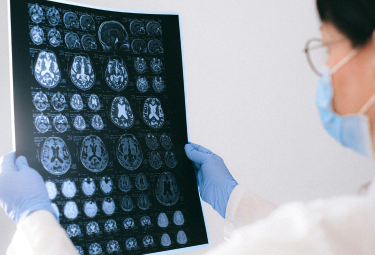
  • Use X-rays and other imaging tests to look at your joints
  • Order laboratory tests to rule out other problems that could be causing your symptoms

If you have questions about your diagnosis, talk to your doctor. Your primary care provider may refer you to a rheumatologist, a doctor who specializes in arthritis and other related conditions.

Osteoarthritis treatment and pain management

There is no cure for osteoarthritis, therefore, doctors focus on treatments to ease your pain, help you move better, and stop the disease from getting worse. Treatment plans often include:

Exercise. A safe, well-rounded exercise program can reduce joint pain and stiffness and increase flexibility, muscle strength, and endurance. Try stretching and balance exercises as well as low-impact activities such as walking, cycling, swimming, or tai chi. Always talk with your doctor before starting a new exercise program. Remember to start slowly and take the time to adjust to a new level of activity.

Weight control. If you are affected by overweight or obesity, managing your weight can reduce stress on the joints, which may reduce pain, prevent more injury, and increase mobility.

Medication. Over-the-counter medications, including oral pain relievers and arthritis creams, can be helpful. Your doctor may also give you a prescription for a pill or inject a medication directly into the joint to reduce inflammation and pain.

Surgery. If other treatments are not helping and the joint damage is extensive, your doctor may suggest surgery. Surgeries that help treat osteoarthritis include osteotomy, which removes a small piece of bone to relieve pressure on the affected joint, and joint-replacement surgery, which removes a part or all of the damaged joint and replaces it with a plastic, metal, or ceramic joint.

Complementary therapy. Some research shows that complementary approaches, such as massage and acupuncture, may help relieve osteoarthritis pain. Before using other therapies, talk with your doctor about the best options for your treatment.

Take steps to help manage your pain and work toward a better quality of life:

  • Try heat and cold treatments to help reduce pain.
  • Use a cane or walker to help move around safely. Your doctor or therapist may suggest other devices to help with other daily activities, such as jar openers.
  • Practice good posture to reduce pressure on joints.
  • Make several trips and keep loads small when bringing in groceries and other purchases.
  • Avoid repetitive activities, such as bending at the waist, when possible.
  • Reach out online and in your community for support groups.

To learn more, please visit https://www.nia.nih.gov/health/osteoarthritis/osteoarthritis.

Diabetes in Older People

July 7, 2026

Diabetes is a serious disease that affects many older adults. Diabetes occurs when a person’s blood glucose, also called blood sugar, is too high. The good news is that you can take steps to delay or prevent type 2 diabetes, which is the most common form of the disease to develop in older adults. If you already have diabetes, there are ways to manage the condition and help prevent diabetes-related health problems.

What is diabetes?

Glucose is the body’s main source of energy. Our bodies can make glucose, and glucose also comes from the food we eat. To use glucose as energy, the body needs insulin, a hormone that helps glucose get into cells. If you have diabetes, your body may not make enough insulin, use insulin in the right way, or both. That can cause too much glucose to stay in the blood, which can cause health problems over time.

Types of diabetes

The main types of diabetes in older adults are type 1 and type 2:

  • Type 1 diabetes: In this form of diabetes, the body makes little or no insulin. Although older adults can develop type 1 diabetes, it begins most often in children and young adults, who then have diabetes for life. People with type 1 diabetes need to take insulin every day.
  • Type 2 diabetes: In this condition, the most common form of diabetes, the body’s cells don’t use insulin properly. It occurs most often in middle-aged and older adults, but it can also affect children. Your chance of developing type 2 diabetes is higher if you have risk factors such as overweight or obesity, an inactive lifestyle, a family history of diabetes, or a history of gestational diabetes (a type of diabetes that develops during pregnancy). People who are African American, American Indian, Asian American, Hispanic/Latino, or Pacific Islander also have a higher risk of developing type 2 diabetes than people from other backgrounds.

Prediabetes is a condition that occurs when glucose levels are higher than normal but not high enough to be diagnosed as diabetes. Millions of older Americans have prediabetes. Although people with prediabetes have a greater chance of developing type 2 diabetes, there are ways to help prevent or delay the disease. These include maintaining a healthy weight, exercising, having your glucose level checked regularly, and talking with your doctor about medications and lifestyle changes that may help reduce your risk.

Symptoms of diabetes

Symptoms of diabetes may include feeling tired, increased hunger or thirst, losing weight without trying, urinating often, and numbness or tingling in hands or feet. You may also get blurred vision and skin infections, and your body may heal more slowly from cuts and bruises.

In people with type 2 diabetes, symptoms often develop slowly and may go unnoticed for a long time. Some people with type 2 diabetes have no symptoms, and they only find out that they have the condition when other diabetes-related health problems develop.

Sometimes older adults dismiss the symptoms of diabetes as just part of “getting old,” but they can be signs of a serious problem. Talk with your doctor if you have any symptoms or are concerned about developing diabetes.

Tests for diabetes

If you have symptoms or risk factors for diabetes, it’s important to get tested. Getting an early diagnosis can help you manage your diabetes and may prevent health problems. Doctors use several blood tests to help diagnose diabetes:

  • The fasting plasma glucose test measures your blood glucose at a single point in time. Most of the time, your doctor will give you the test in the morning after you have fasted (had nothing to eat or drink except water) for at least eight hours.
  • The A1C test shows your average blood glucose level over the past three months. You can eat and drink before this test. The A1C test may not be accurate in people with certain other diseases and conditions, so your doctor may use other tests in addition to A1C to diagnose diabetes.
  • The random plasma glucose test also measures your blood glucose at a single point in time. It is given at any time during the day and does not require fasting.
  • The oral glucose tolerance test has two steps: first, your blood glucose level is tested after you have fasted overnight. Then you drink a sugary drink and have your blood glucose level tested again two hours later. if your glucose level is high, you may have diabetes.

If a blood test suggests you have diabetes, your doctor may do a second blood test to confirm the diagnosis.

Managing type 2 diabetes

A person with diabetes may need to manage the disease with lifestyle changes, medication, or both. Many people with type 2 diabetes can manage their blood glucose levels with diet and exercise alone. Others may need diabetes pills or insulin injections, along with medicines to manage other conditions like high blood pressure and high cholesterol. Ask your health care provider questions about your medications to make sure you understand how they work, how to take them, and what side effects may occur.

Managing your diabetes involves taking care of yourself each day. Your daily self-care plan to control your blood glucose may include:

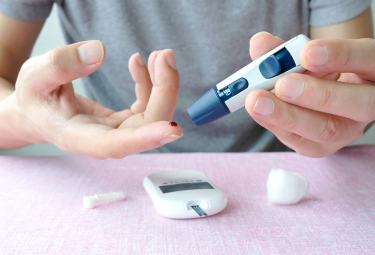
  • Tracking your glucose levels. Very high blood glucose levels (called hyperglycemia) or very low blood glucose levels (called hypoglycemia) can put your health at risk. Your plan will show how often you should check your glucose and how often to get the A1C test. If you are managing your diabetes without taking insulin, you may not need to check your glucose as often.
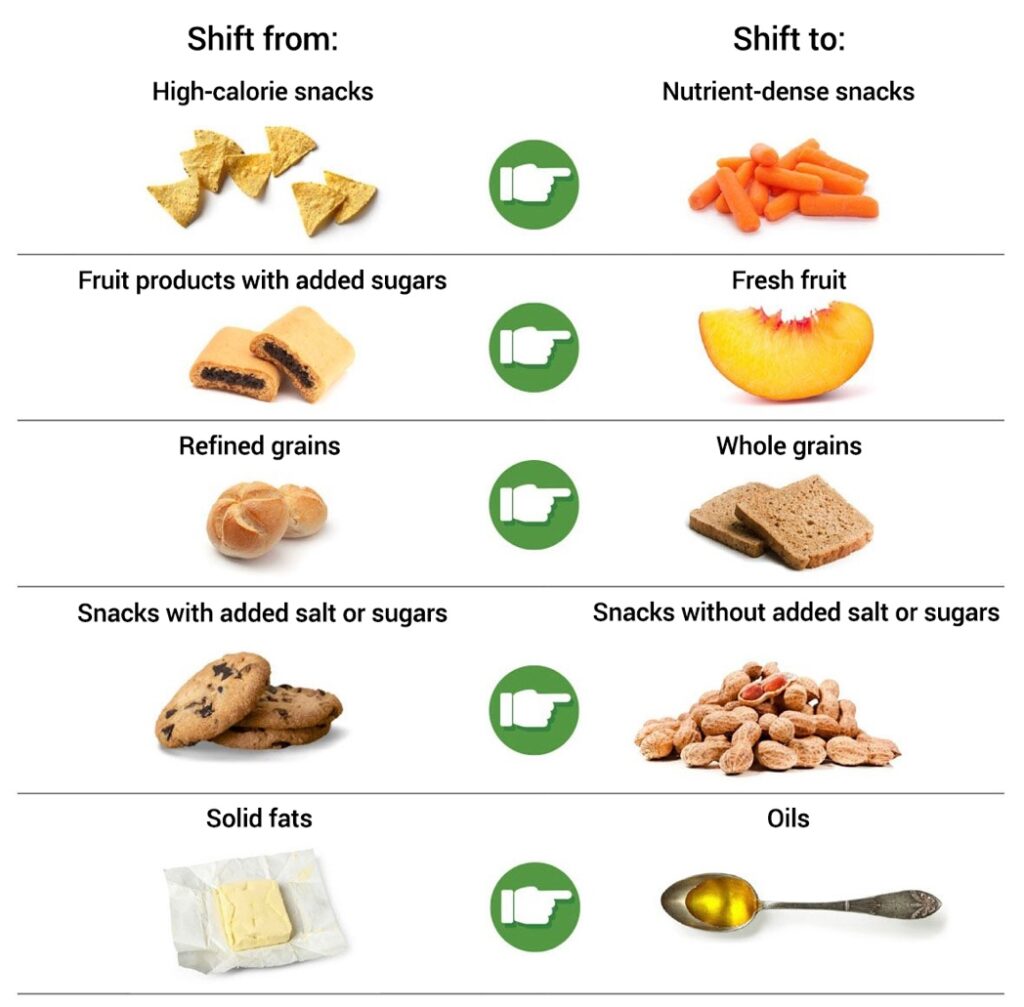
  • Making healthy food choices. The food you eat affects blood glucose levels, so it’s important to learn what’s best for you to eat, how much, and when. Work with your health care team to manage your weight and to lose weight if necessary.
  • Being active. Walking and other forms of daily exercise can help improve glucose levels in older people with diabetes. Set a goal to be active most days of the week and create a fitness plan that fits your schedule and abilities. Your health care team can help.
  • Taking your medicines. You should take medicines as prescribed even when you feel good. Tell your doctor if you have any side effects or cannot afford your medicines. Also, let your doctor know if you have trouble taking your medicines or keeping track of your medication schedule.

Diabetes can affect many parts of your body. If diabetes is untreated or poorly managed, it can cause serious health problems over time, such as damage to the eyes, kidneys, nerves, feet, and heart. People with type 2 diabetes may also be at greater risk for cancer, depression, and dementia. Here are more strategies to stay as healthy as possible with diabetes:

  • Manage your blood pressure. Get your blood pressure checked often. High blood pressure increases the risk for heart disease and can damage the eyes and kidneys.
  • Manage your cholesterol. At least once a year, get a blood test to check your cholesterol and triglyceride levels. High levels may increase your risk for heart problems.
  • Stop smoking. Smoking raises your risk for many health problems, including heart attack and stroke. If you smoke, take steps to quit.


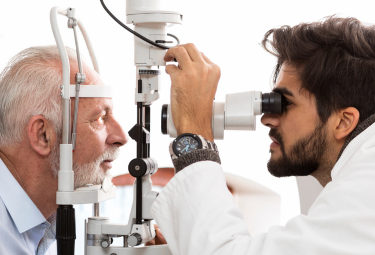
  • Have yearly eye exams. Finding and treating eye problems early can help keep your eyes healthy.
  • Check your kidneys yearly. Because diabetes can affect your kidneys, getting recommended urine and blood tests will show if your kidneys are healthy.
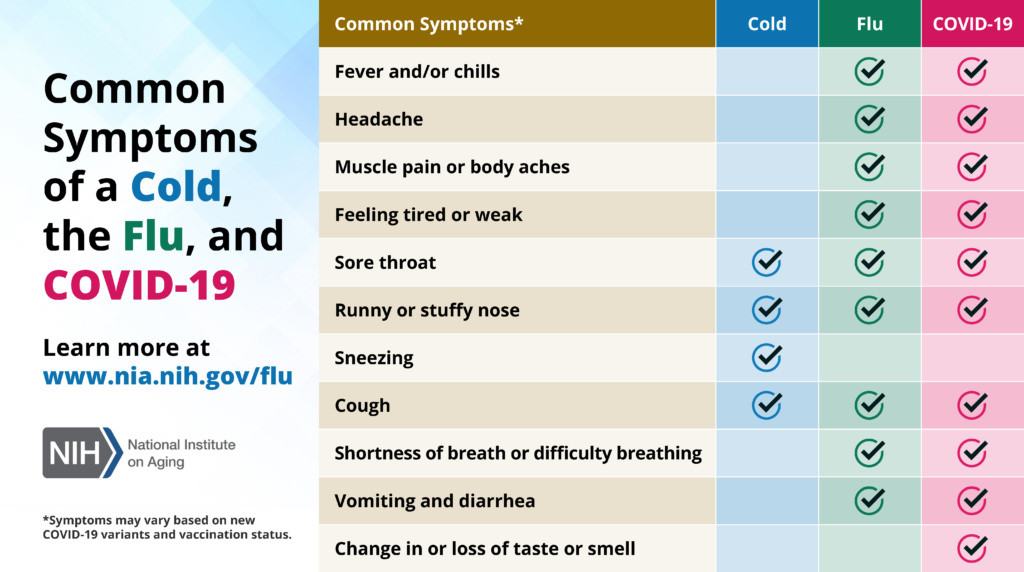
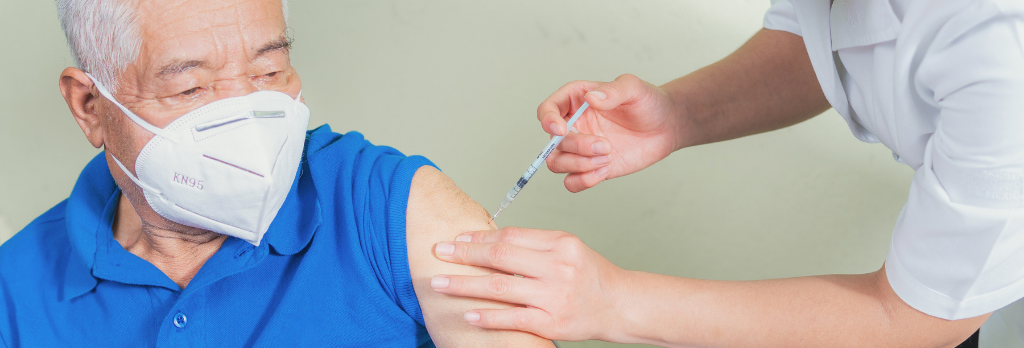
  • Get flu shots every year and the pneumonia vaccine. A yearly flu shot will help keep you healthy. If you’re over 65, make sure you have had the pneumonia vaccine. If you were younger than 65 when you had the pneumonia vaccine, you may need another one. Ask your doctor.
  • Care for your teeth and gums. Brush your teeth and floss daily. Have your teeth and gums checked twice a year by a dentist to avoid serious problems.
  • Protect your skin. Keep your skin clean and use skin moisturizers for dryness. Take care of minor cuts and bruises to prevent infections.
  • Check your feet. Keep your feet clean by washing them every day and help protect your feet from damage by wearing shoes and socks at all times. Take time to look at your feet every day for any red patches. Ask someone else to check your feet if you can’t. If you have sores, blisters, breaks in the skin, infections, or calluses, see a foot doctor, called a podiatrist.
  • Keep up with cancer screenings. Ask your doctor which screenings to get based on your age, sex, and other risk factors.
  • Be prepared. Ensure you always have several days’ worth of supplies on hand for testing and treating your diabetes in case of an emergency.
  • Talk with your doctor about your concerns. If you think you might need help with your management plan, are depressed, are worried about your memory, or have any other concerns, talk with your doctor. There may be ways to help.

When you visit your health care team, your providers will assess how well you are managing your diabetes. Your care plan may change, or you may need more information and support. A change in health, such as a new diagnosis or complication, or a change in care, such as going home from the hospital, may also lead to updates to your plan.

To learn more, please visit https://www.nia.nih.gov/health/diabetes/diabetes-older-people.